
Retraining the Immune System:
Regenerative Therapies for Autoimmune & Chronic Inflammatory Diseases
When a pet’s immune system begins to attack its own body, the result is often a cycle of chronic pain, inflammation, and a reliance on heavy immunosuppressive drugs. Here at Two Rivers Veterinary Hospital, we use Ardent Animal Health’s regenerative technology to "reset” the immune system, providing a natural path to relief for some of the most frustrating chronic conditions in veterinary medicine.
The Science of Immunomodulation
How can one treatment help so many different diseases? It comes down to how stem cells interact with the immune system:
Homing: Once administered, these cells naturally travel to areas of active inflammation.
Cytokine Release: Instead of just becoming new tissue, these cells act as smart pharmacies, releasing specific proteins that tell the immune system to stop attacking healthy cells.
Tissue Repair: While calming the attack, they simultaneously jump-start the repair of damaged organs, whether it’s the pancreas, the eyes, or the skin.

Feline Health:
A Focus on Comfort and Care
Our feline friends are prone to chronic inflammatory conditions that can be difficult to manage. Regenerative medicine offers a sort of "biological reboot" for conditions such as:
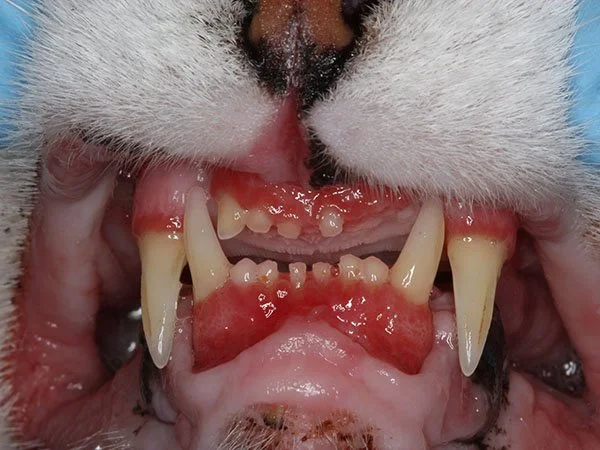
Feline Chronic Gingivostomatitis (FCGS): This painful oral disease often requires full-mouth extractions. However, studies (Frontiers in Vet Science, 2023) show that stem cells can significantly reduce oral inflammation and promote healing in refractory cases by modulating the T-cell response, offering long-term relief from this disease process.
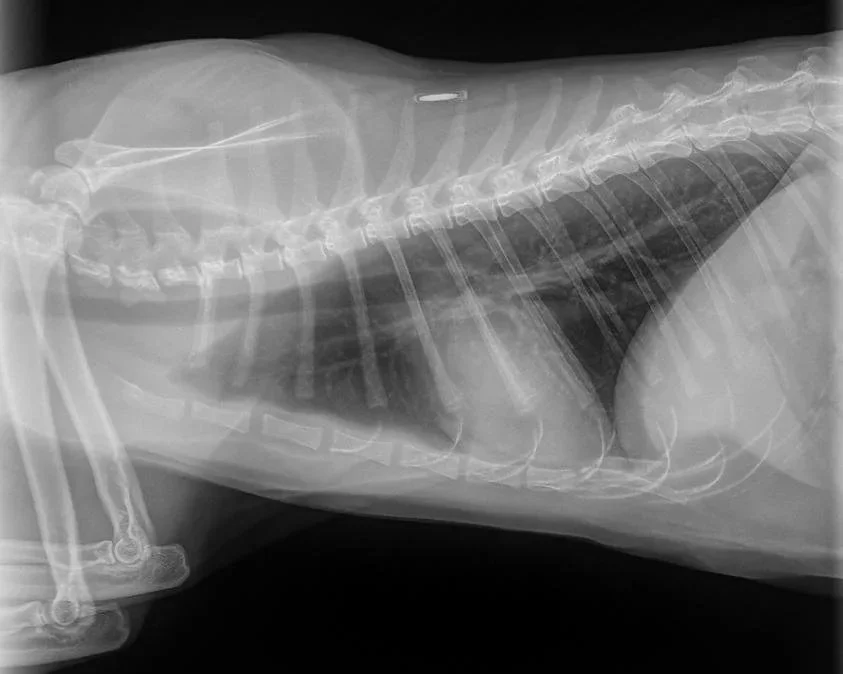
Feline Asthma: By injecting activated stem cells, we can help calm the overactive immune response in the lungs. Research suggests that stem cells can reduce airway hyper-responsiveness and lung remodeling in asthmatic cats (MDPI, 2023).
IBD & Pancreatitis: Chronic gut and pancreatic inflammation often go hand-in-hand in cats. Regenerative cells migrate to these hot spots of inflammation, releasing anti-inflammatory cytokines that help repair the delicate lining of the GI tract and soothe the pancreas (Quimby, 2018).
Canine Health:
Target Solutions for Complex Issues
For our canine patients, we apply these therapies to specific immune-mediated targets where traditional medicine can fall short in diseases like:
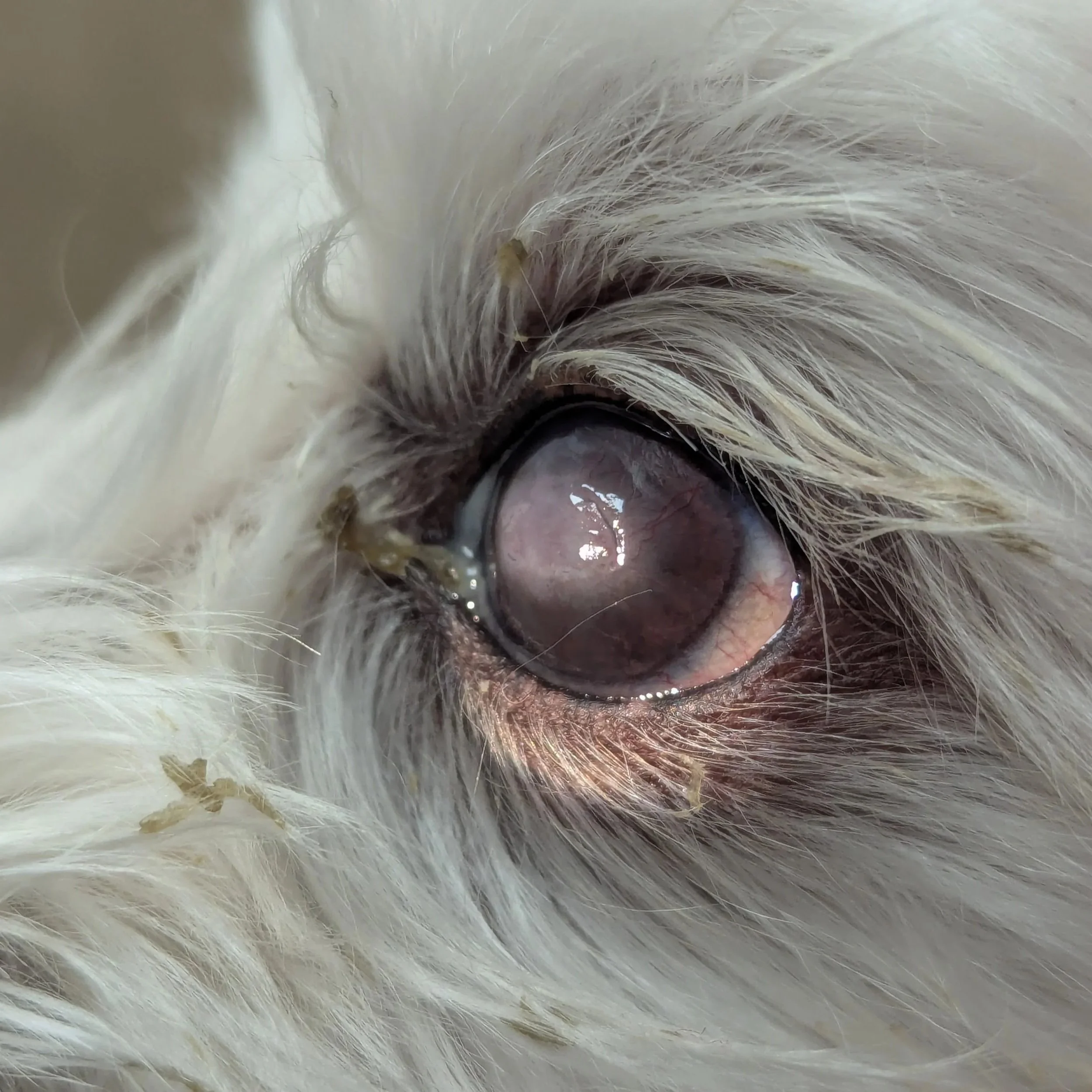
Dry Eye (KCS): Keratoconjunctivitis Sicca is more than just dryness; it is an immune attack on the tear glands. A systematic review (Taheri-Bitaraf et al., 2024) found that MSC therapy significantly increased tear productionand improved ocular comfort, even in dogs who no longer responded to standard drops.
Pemphigus & Skin Disorders: For autoimmune skin conditions like pemphigus, regenerative medicine helps regulate the body’s antibody production, reducing the severity of crusting and lesions without the harsh side effects of long-term steroid use (Han et al, 2015)
Laryngeal Paralysis: While primarily a neurological/muscular condition, regenerative medicine is being explored to support nerve regeneration. By utilizing the growth factors in PRP and stem cells, we aim to provide neuroprotective support to the recurrent laryngeal nerve (Paniello et al, 2019)