
Welcome to Two Rivers Veterinary Hospital: Kittens
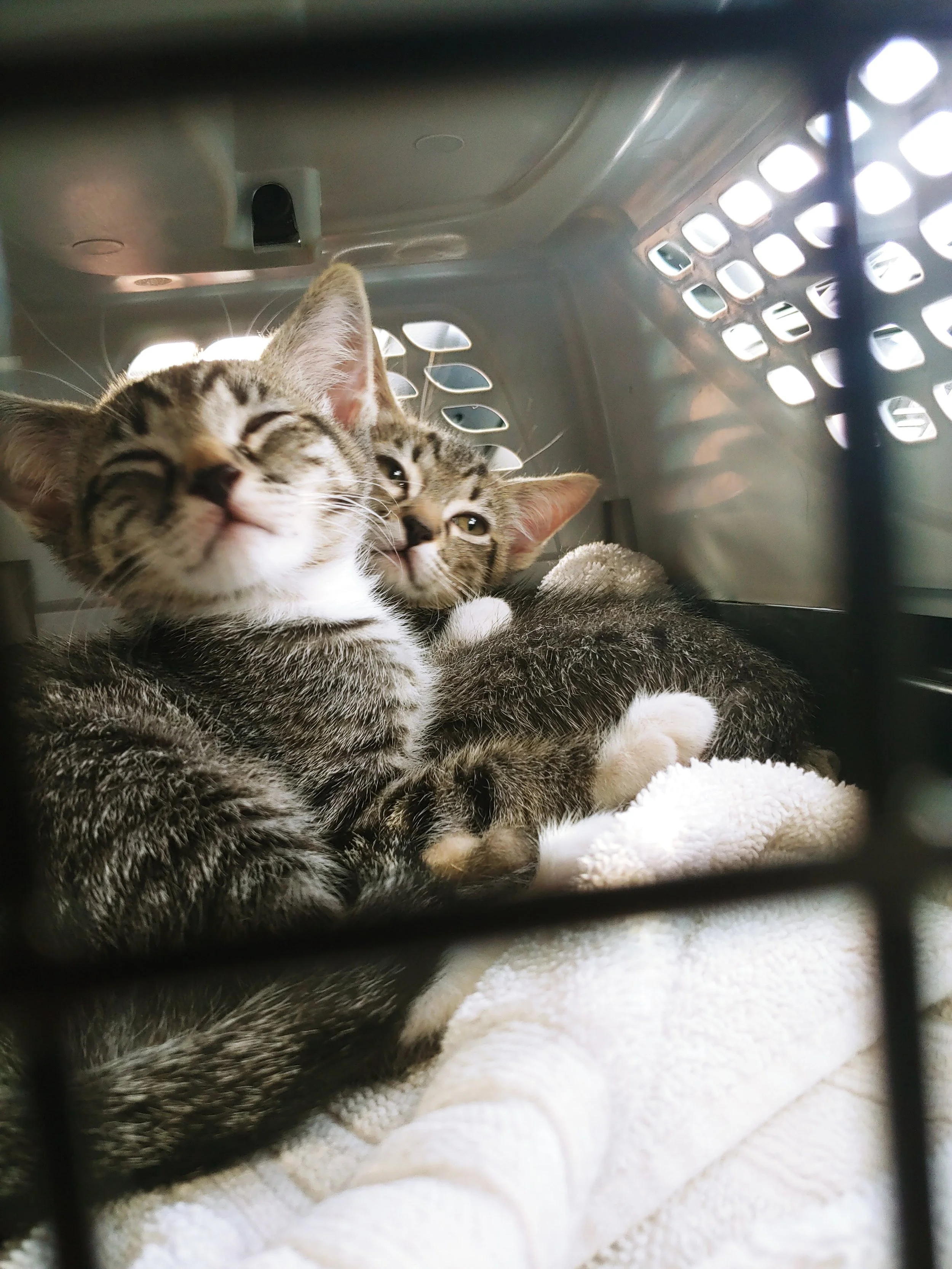
Bringing home a new kitten is a happy occasion, and we’re excited to help you keep your new family member healthy!
Congratulations on your new kitten!
New kitten owners: please use this page as a quick-reference guide as you embark on life with your new friend. We are here to help you every step of the way. All recommendations reflect our clinic’s standards of care and are designed to support lifelong feline health.
Rabies Vaccination Policy (Required)
All cats — including indoor-only cats — are required by city ordinance to maintain a current rabies vaccination. Fargo, West Fargo, and Moorhead actively enforce this requirement.
Why this matters:
Rabies is fatal and transmissible to humans.
Unvaccinated cats exposed to bats or wildlife may require 6-month quarantine or euthanasia.
Unvaccinated cats that bite a human require a 10-day quarantine.
Clinic policy: An up-to-date rabies vaccination is required to receive veterinary services at Two Rivers Veterinary Hospital, except in rare, documented medical exemptions.
Kitten Vaccination Schedule: What to Expect in the First Year
First Kitten Visit (8–9 weeks)
Exam
FVRCP (Feline Viral Rhinotracheitis, Calicivirus, Panleukopenia) (initial)
Deworming + intestinal parasite screen
Discussion of parasite prevention
Second Kitten Visit (11–12 weeks)
Exam
FVRCP (booster)
FeLV (Feline Leukemia Virus) (initial)
Third Kitten Visit (15–16 weeks / ~4 months)
Exam
Intestinal parasite screen
FVRCP – good for one year
FeLV – good for one year
Rabies vaccine: good for one year
Eligible for city licensing
Adult Cat Vaccination Protocol
Rabies: every 1-3 years
FVRCP: every 1-3 years
FeLV: annually for cats with outdoor access or exposure to other cats
Parasite Prevention
Even indoor cats are at risk for parasites.
We recommend year-round parasite prevention, tailored to your cat’s lifestyle, which may include protection against:
Fleas
Intestinal parasites
Ear mites
Annual fecal testing helps screen for intestinal parasites that may not cause obvious symptoms.
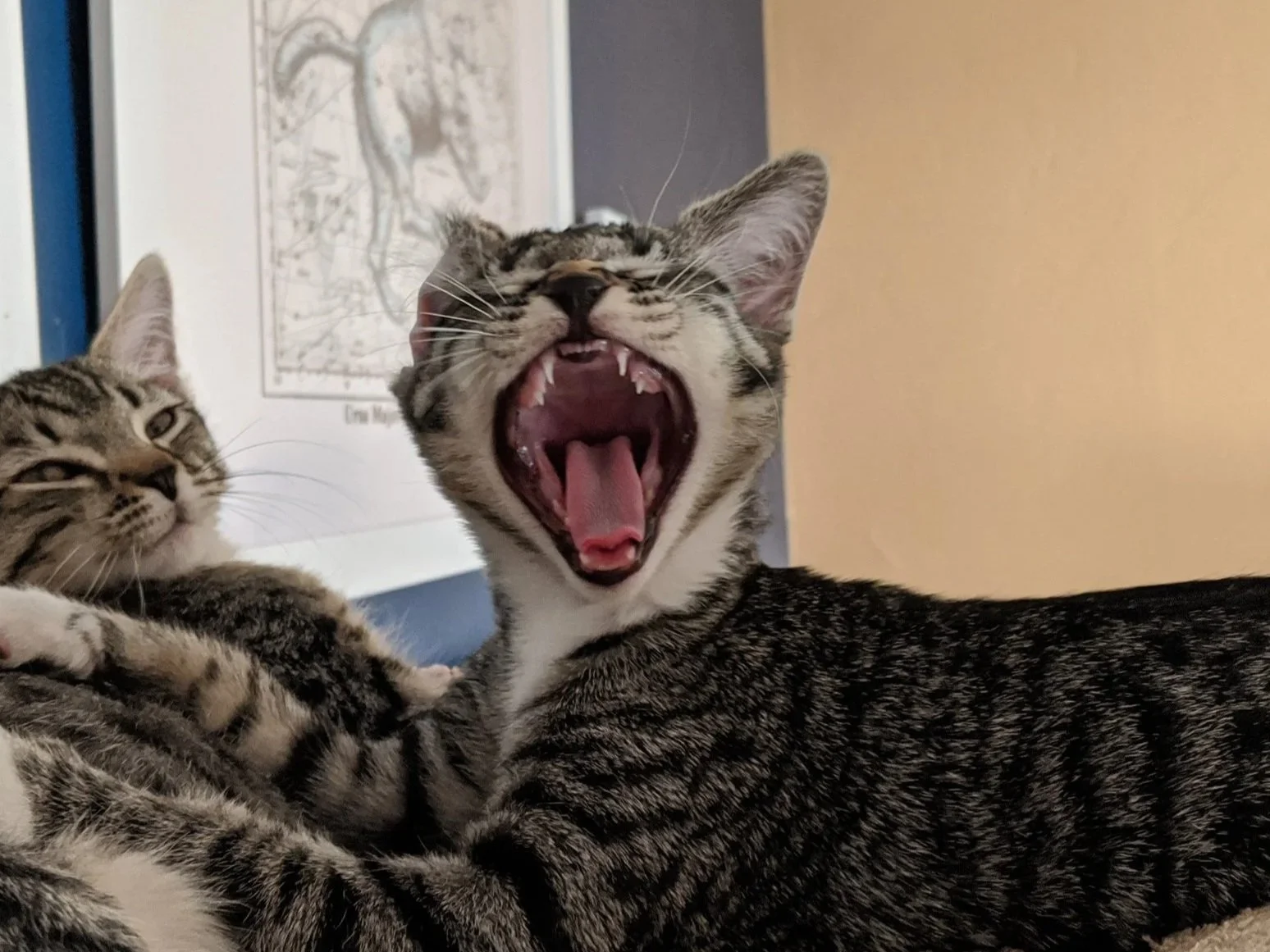
Dental care for cats is an often-overlooked but important part of keeping your furry friend feeling his or her best.
Dental Care
Dental disease affects the majority of cats by three years of age and can lead to pain, infection, and systemic illness.
Gold standard home care:
Daily tooth brushing using cat-safe enzymatic toothpaste
Tips for success:
Start early and go slowly
Keep sessions short and positive
Even a few brushes per week provide benefit
Cats are very good at hiding pain — prevention is key.
Grooming, Nail Care & Litter Habits
Early handling builds lifelong comfort with routine care.
Handle paws and mouth gently and frequently
Brush fur regularly to reduce hairballs
Trim nails every 2–4 weeks
Helpful nail-trimming resources:
https://www.avma.org/resources/pet-owners/petcare/how-trim-your-cats-nails
https://vcahospitals.com/know-your-pet/how-to-trim-a-cats-nails
Poison Prevention
Cats are especially sensitive to many common household substances.
If you believe your cat has ingested something toxic:
Two Rivers Veterinary Hospital: 701-356-5588
Red River Animal Emergency Hospital (after hours): 701-478-9299
Pet Poison Helpline: https://www.petpoisonhelpline.com 855-764-7661
Trusted toxin resources:
ASPCA Animal Poison Control: https://www.aspca.org/pet-care/animal-poison-control
Veterinary Partner Toxicity Library: https://veterinarypartner.vin.com
Pet Insurance Resources
Pet insurance is most valuable when started during kittenhood, before conditions arise.
Look for policies that cover:
Chronic conditions
Hereditary and congenital disease
Diagnostic testing and imaging
Cancer care
Helpful comparison tools:
Feeding & Nutrition
Feed a high-quality kitten diet until 10–12 months of age
Kittens require higher protein and calories than adult cats
Most kittens do best with multiple small meals daily
Avoid cow’s milk
Transition gradually to adult food around one year of age.
Behavior, Enrichment & Socialization
Early experiences shape lifelong behavior.
Provide many vertical spaces to explore (cat trees, shelves)
Encourage play with interactive toys
Use scratching posts early and often
Gentle exposure to handling and carriers reduces stress later
Positive experiences now prevent fear and aggression in adulthood.
City Ordinances & Licensing
Cats must be licensed annually with proof of rabies vaccination.
Licensing offices:
Fargo Animal Pound: 701-232-7312
Moorhead Police Department: 218-299-5121
West Fargo Police Department: 701-433-5500
At Two Rivers Veterinary Hospital, our goal is to support your kitten’s health from the very beginning — with prevention, education, and partnership.
