
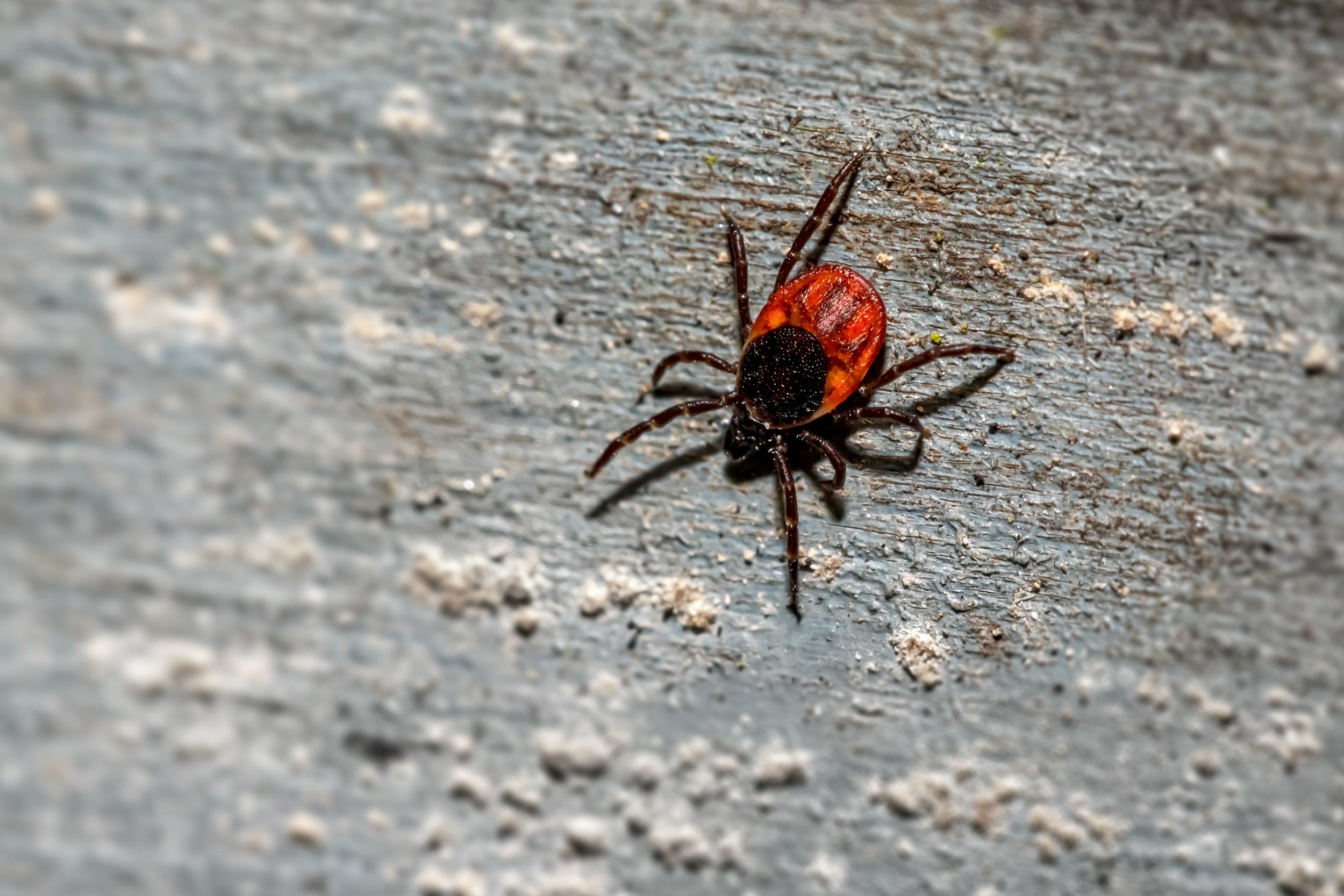
My Pet Tested Positive for Lyme Disease—Now What?
When your pet tests positive for Lyme disease, we follow up with a specialized blood test called the C6 antibody test, offered through IDEXX Laboratories. This test measures the level of antibodies against the Lyme-causing bacterium, Borrelia burgdorferi. A high C6 value typically indicates an active infection, and in these cases, we recommend starting treatment right away.

A Patriotic Pawspective: Sergeant Stubby
As we celebrate the Fourth of July and the birth of our nation, we’d like to shine a light on one of America’s most beloved animal heroes: Sergeant Stubby, a dog whose bravery on the battlefield earned him a place in military history—and in patriotic hearts.
Fireworks and the Fourth: A Time to Celebrate — and Reflect
The sights and sounds of fireworks are iconic, but they’re not without consequence. Each year, we see a spike in pets lost, injured, or brought into clinics after panicking and fleeing their homes. According to the ASPCA, more pets go missing on July 4th than on any other day of the year.

A New Non-Surgical Option for Some Mast Cell Tumors: Stelfonta
When it comes to treating mast cell tumors (MCTs) in dogs, one exciting option for certain cases is Stelfonta®, an FDA-approved injectable treatment that dissolves specific mast cell tumors—no surgery required.

Mast Cell Tumors
At Two Rivers Vet Hospital in Fargo, ND, we often help pet owners navigate the unexpected discovery of a lump or bump on their dog or cat. One important cause of skin masses in pets is a mast cell tumor (MCT)—a common type of skin cancer that can behave in very different ways depending on the individual pet.

Bank Now, Save Later: The Benefits of Stem Cell Banking
The key benefit of the "bank now, save later" option is that we collect stem cells while your pet is already under anesthesia for a scheduled procedure—no need for a second surgery or recovery period. Younger pets also tend to have a higher yield of healthier, more potent stem cells, making early collection a smart investment in your pet’s future.

Prophylactic Gastropexy: A Preventive Surgery That Could Save Your Dog’s Life
At Two Rivers Vet Hospital, we offer a procedure called prophylactic gastropexy—a preventive surgery designed to reduce the risk of a life-threatening condition called gastric dilatation and volvulus (GDV), more commonly known as bloat.

Why Neutering Your Dog or Cat Matters: A Proactive Step for Better Health and Behavior
Neutering offers many benefits beyond preventing unwanted litters. For male pets, the procedure can help reduce hormone-driven behaviors like roaming, urine marking, and aggression. This means fewer fights with other animals, fewer escapes from the backyard, and a calmer pet at home.

When Should You Spay Your Pet?
One of the most common questions we hear from pet owners is: When is the best time to spay my dog or cat? The truth is, there’s not a single perfect answer—but at Two Rivers Vet Hospital, we typically recommend spaying before the first heat cycle.

Protecting Your Dog’s Ears After Swimming: A Simple At-Home Rinse to Prevent Infections
There’s nothing better than watching your dog splash, paddle, and play in one of our beautiful local lakes. But as fun as swimming can be, it also comes with a risk many dog owners overlook: ear infections. Water trapped in the ear canal—especially from lakes or rivers—can create the perfect environment for bacteria and yeast to grow.

Valley Fever in Pets: What North Dakota Pet Owners Need to Know Before Traveling South
At Two Rivers Vet Hospital in Fargo, we occasionally diagnose a condition that doesn't originate in the Midwest—but it can still affect our patients: Valley Fever. If you and your pet travel to Arizona, New Mexico, Texas, or California, this blog is for you.

Why Is My Pet Vomiting or Having Diarrhea?
It’s understandable to wonder if your pet just has a mild upset stomach or if something more serious is going on. The truth is, vomiting and diarrhea are symptoms, not diagnoses — and the list of possible causes is long. That’s why a veterinary visit is often the fastest, safest way to get your pet feeling better.
5 Signs It’s Time to Call the Vet
If you’ve searched “how to know when to take your cat to the vet Fargo ND” or you’re just worried something isn’t right, you don’t have to wait until it’s an emergency. We’re here to help — with same-week appointments, honest guidance, and compassionate care.

What to Do If You Find Live Fleas on Your Pet
Here’s a step-by-step guide from your trusted Fargo veterinarian team to help you eliminate fleas and prevent future infestations.

Easing Fireworks Fears
For many pets, the Fourth of July is not a celebration—it’s a source of intense anxiety. Fireworks can trigger panic in even the calmest of dogs or cats, and every year veterinarians see a spike in calls from concerned pet owners. At Two Rivers Veterinary Hospital, we want to help you plan ahead so your pet can stay calm and safe during the holiday.
Addison’s Disease in Dogs: How We Test For and Treat It
Once your veterinarian suspects Addison’s disease, there’s a specific path we follow to confirm the diagnosis and begin treatment that can support your dog’s health for years to come.

Understanding Addison’s Disease in Dogs
Addison’s disease—also known as hypoadrenocorticism—is a condition that affects the adrenal glands, two small but powerful hormone-producing organs located near the kidneys. These glands play a crucial role in managing stress, electrolyte balance, blood pressure, and metabolism by producing hormones like cortisol and aldosterone. When the adrenal glands don’t produce enough of these hormones, it can cause serious health problems.

“Let’s Talk About Breathing Easy” — A Q&A with Dr. Tracie Hoggarth on Brachycephalic Health Concerns
These breeds have what's known as Brachycephalic Obstructive Airway Syndrome (BOAS), a condition where the structure of their skull and airways makes it much harder for them to breathe comfortably. This can include narrow nostrils, elongated soft palates, and small windpipes—all of which make simply getting enough air a challenge.

How to Perform an At-Home Blood Glucose Curve
Monitoring your pet’s blood sugar levels at home is one of the most helpful tools in managing diabetes. It allows your veterinary team to adjust insulin doses safely and effectively based on real-time trends in your pet’s glucose levels. A blood glucose curve helps us see how well your pet’s insulin is working throughout the day.

Treating Feline Diabetes
A diabetes diagnosis in your cat can feel overwhelming at first, but with the right care plan and support, it becomes a manageable part of daily life. In fact, many cats go on to live full, healthy lives—and some even achieve remission. Here's what to expect when it comes to treating feline diabetes.