
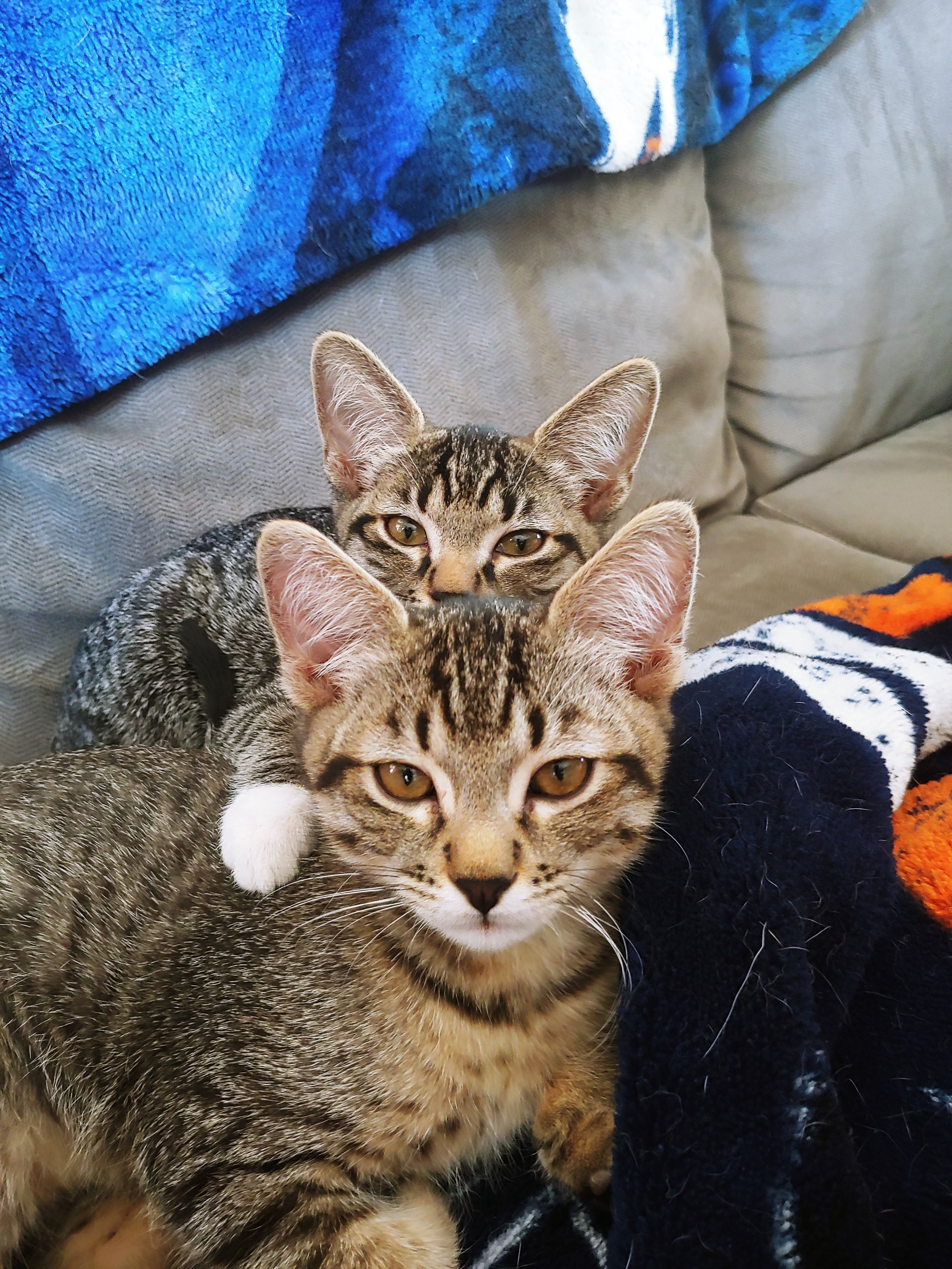
Welcome to the world of kitten ownership! Whether this is your first cat or a new addition to the family, the team at Two Rivers Veterinary Hospital is here to help your kitten grow into a healthy, happy adult.
New Kitten Resource Center
-
Consistent care during the first few months is vital for building a strong immune system.
8–10 Weeks: First wellness exam, FVRCP vaccine (cat “distemper”), and testing for Feline Leukemia (FeLV) and Feline Immunodeficiency Virus (FIV). Note: Depending on your kitten's temperament, blood testing may be moved to the pre-surgical visit.
12 Weeks: FVRCP booster and the first Feline Leukemia vaccine. We recommend this vaccine for all cats under 2 years of age to ensure early protection.
16 Weeks: Final FVRCP and Leukemia boosters, plus the Rabies vaccination.
5–6 Months: Spay or Neuter surgery and permanent microchip identification.
Legal Requirement: In North Dakota, Rabies vaccination is required by law for all cats starting at 16 weeks of age.
-
Most cats show signs of dental disease by age three. Starting a brushing routine early is the best way to prevent oral pain and extractions later in life.
The Goal: Daily brushing using a cat-specific brush and enzymatic toothpaste.
Recommended Tool: The Ryer Cat Toothbrush is designed specifically for small feline mouths.
How-To: Video: Brushing Your Cat's Teeth
-
Even indoor-only cats are at risk for parasites brought in on shoes or clothing, or from insects like mosquitoes and fleas that enter the home.
Revolution: We recommend this topical medication monthly and year-round to protect against heartworms, common intestinal parasites, fleas, and ear mites.
Intestinal Parasites: We recommend an annual fecal screening to ensure your cat remains clear of internal parasites.
-
Kitten-Specific Food: Growing puppies have higher nutritional demands than adults. Feed a premium brand like Royal Canin or Hill’s Science Diet.
Avoid Table Scraps: Human food is often too fatty and can lead to obesity, which increases the risk of diabetes and arthritis. For cats especially, people food with a lot of fat can cause pancreatitis.
Safe Toys: Watch your kitten closely to ensure that he or she doesn’t eat the toys you provide. Strings and hair ties are notorious for causing life-threatening intestinal blockages that require surgery to remove.
-
Socialization: The critical window for socialization is between 4 and 16 weeks. Expose your kitten to new people, sounds, and environments in a positive way. Carriers and car rides are especially important to introduce in this window, if possible, to reduce stress associated with vet clinic trips!
Common Toxins: Lilies (all parts of the plant are highly toxic) and Ibuprofen are the most frequent causes of emergency visits.
Bird Flu Warning: Due to the risk of bird flu transmission, we recommend avoiding bird feeders near your home. If you must feed birds, place feeders far away from cat-accessible windows or high-traffic areas.
Pet Poison Helpline: 855-764-7661 (petpoisonhelpline.com)
-
Medical care for pets is more advanced—and costly—than ever. Obtaining insurance while your kitten is young ensures they are covered before any pre-existing conditions develop.
Recommended Comparison Tools:
Pet Insurance Review — Compare plans based on reviews and costs.
Pawlicy Advisor — A personalized comparison tool to find the best fit.
Click here for trainer & groomer recommendations.