

Top 5 Houseplants to Avoid (and 5 Safer Alternatives) for Pet Owners
Houseplants add beauty and calm to our living spaces—but for pet owners, some plants can pose serious risks. Whether your furry friend is a curious chewer or just likes to nap near your greenery, knowing which plants are dangerous (and which are safe) can make all the difference.

So You Want to Be a Vet Tech? An Interview with Megan, Vet Tech in Training
If you’ve ever dreamed of working hands-on with animals every day, a career as a veterinary technician might be the perfect fit. Vet techs are the heart of any veterinary clinic—they perform blood draws, assist in surgeries, take x-rays, monitor anesthesia, educate pet parents, and offer compassionate care to pets in every stage of life.
To get an inside look at the journey, we sat down with Megan, one of our team members who’s currently working through the Penn Foster Veterinary Technician Program, an accredited online degree that allows her to study and gain clinical hours at the same time.

Anaplasmosis in Dogs: A Lesser-Known but Serious Tick-Borne Disease
You may have heard of Lyme disease, but there’s another tick-borne illness we see frequently in the Fargo-Moorhead area: Anaplasmosis. Caused by the bacterium Anaplasma phagocytophilum, this disease is carried by the same black-legged ticks that transmit Lyme—meaning your dog can be at risk for both. As your local veterinarian Fargo ND, we want you to be aware of the signs of this disease and how to protect your pet.

Lyme Disease in Dogs: What Every Pet Owner in Fargo Needs to Know
Lyme disease is one of the most common tick-borne illnesses in dogs, and it’s a growing concern in the Fargo-Moorhead area. As our climate changes and ticks expand their range, we’re seeing more cases of Lyme disease each year—sometimes in dogs that rarely leave the backyard.

Tick Talk: Why You Should Care About Tick-Borne Diseases in the Fargo-Moorhead Area
Ticks are blood-sucking parasites that thrive in tall grasses, wooded areas, and even well-manicured backyards. They’re most active from early spring through late fall, but mild winters have extended their season. As a vet clinic in Fargo ND, we diagnose tick-related illnesses every year—many of which are preventable.

Fresh Breath, Healthy Pet: How to Brush Your Pet’s Teeth
Brushing daily is ideal, but even a few times a week is better than none. If your pet already has significant tartar or inflammation, let us help—professional dental cleanings are the safest way to start with a clean slate.
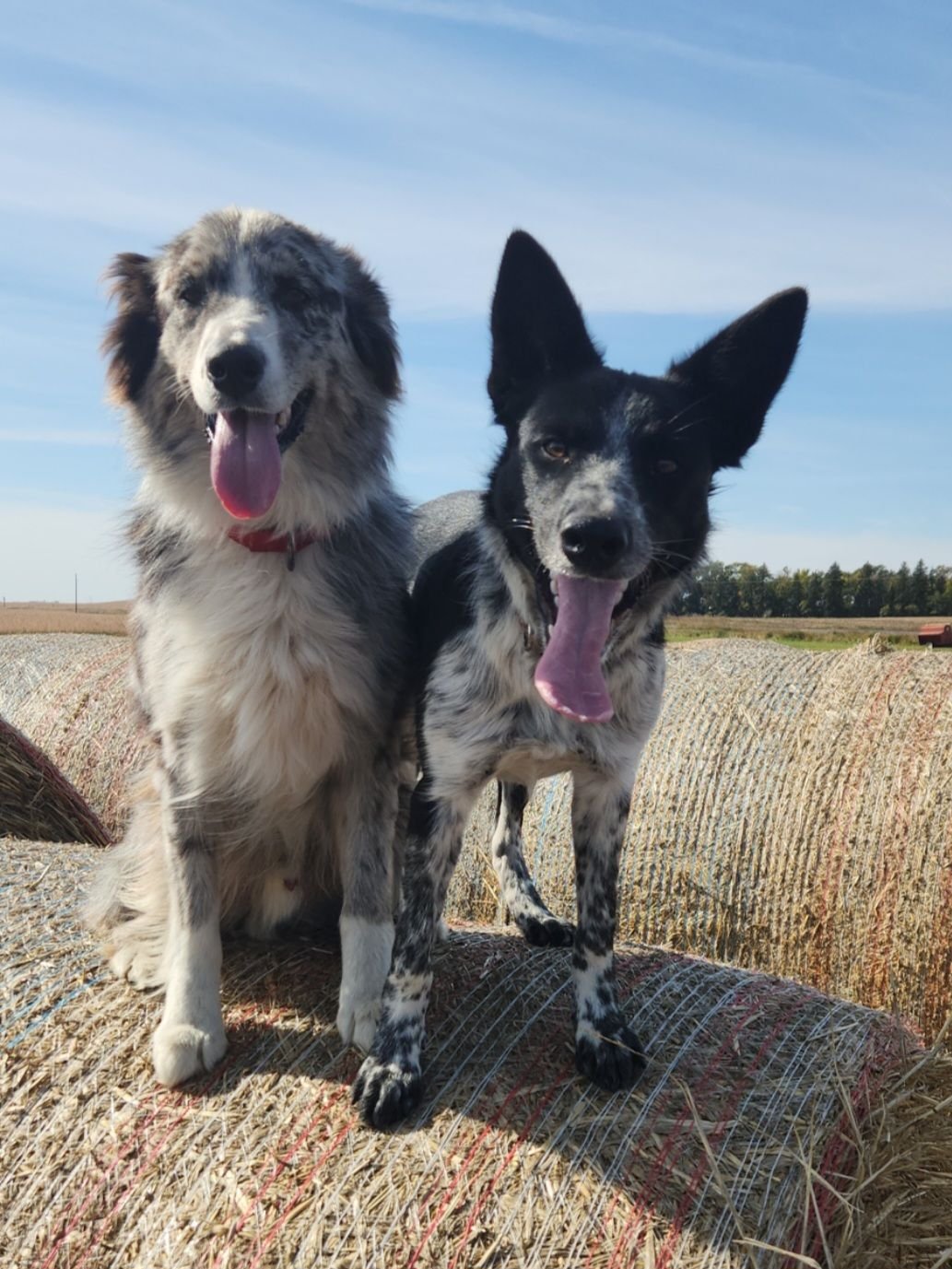
No More Tap-Dancing Toes: A Guide to Trimming Your Pet’s Nails
Keeping your pet’s nails trimmed isn’t just for aesthetics or saving your hardwood floors. Overgrown nails can lead to painful paws, joint strain, and even long-term mobility problems—especially in senior pets.
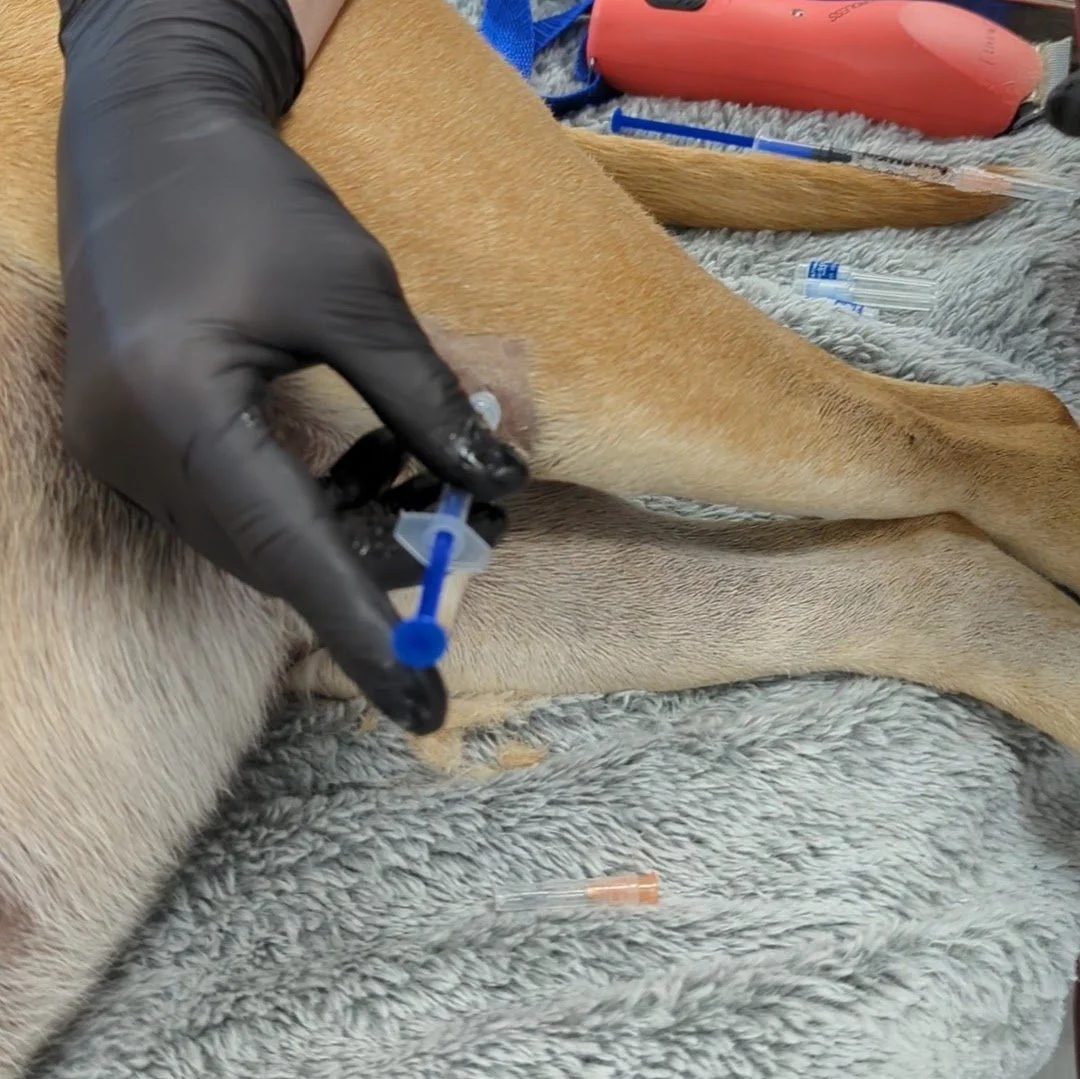
Stem Cell Therapy in Pets: A Promising Frontier in Regenerative Medicine
Stem cell therapy is one of the most exciting advances in veterinary medicine, offering new hope for pets suffering from chronic pain, orthopedic injuries, and degenerative diseases. While it may feel like a recent development, stem cells have actually been studied for decades.
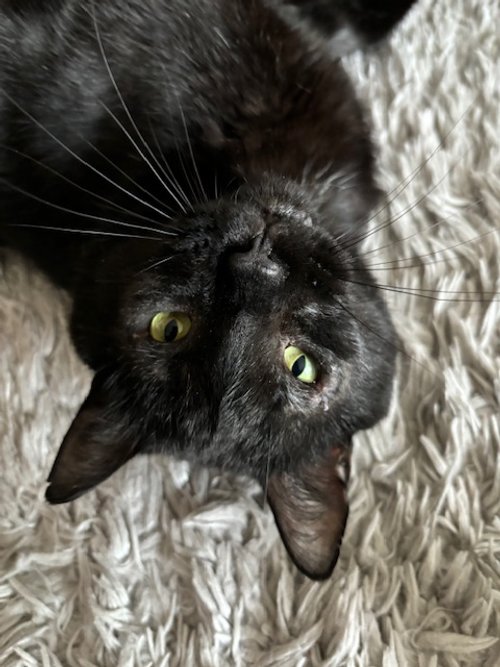
How to Give Your Cat a Pill Without the Drama
If you’ve ever tried giving a cat a pill, you already know it can be... an adventure. Unlike dogs, who often gobble up treats (and the pills hidden inside them), cats tend to be more suspicious. But don’t worry—there are several techniques that can make medicating your cat much easier.

Helping Pets Move Better, Feel Better: Canine Rehab
At Two Rivers Vet Hospital, we see firsthand how rehabilitation can transform a pet’s life. Today, we sat down with Emily, whose 5-year-old Labrador Retriever, Moose, came to us for post-operative rehabilitation after undergoing TPLO surgery to repair a torn cranial cruciate ligament (CCL).

Leptospirosis in Dogs: What It Is and Why It Matters
Leptospirosis, often shortened to “lepto,” is a serious bacterial infection that affects both pets and people. At our vet clinic in Fargo ND, we’ve seen a growing number of cases in recent years, and it’s important for pet owners to know what to watch for—and how to protect their dogs.
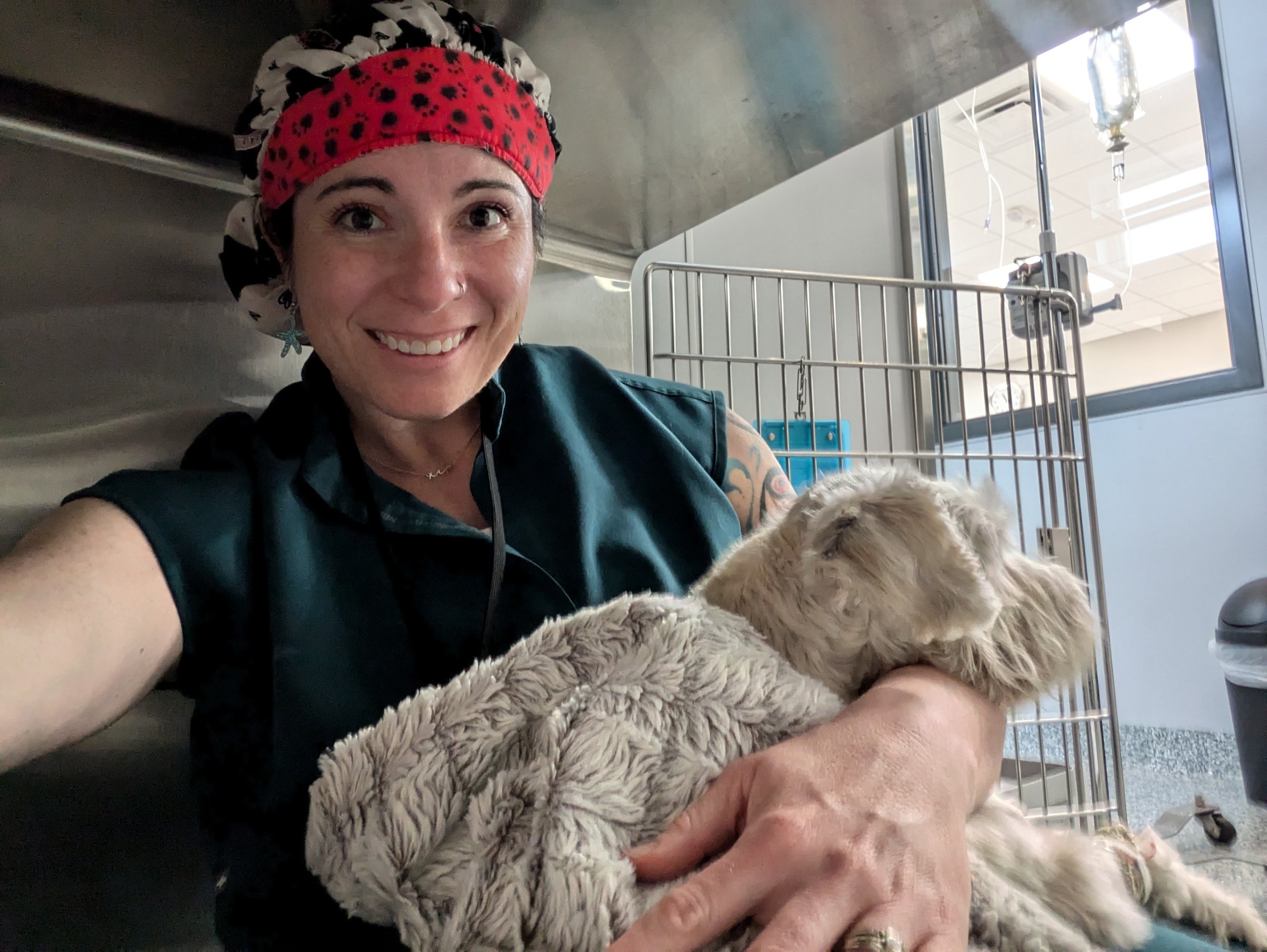
7 Ways to Celebrate National Pet Week
Whether your pet is a couch-loving cat, a frisbee-catching dog, or a wise old senior, this week is all about them. It’s also a chance to promote responsible pet care and ensure our furry friends live the healthiest, happiest lives possible.
Here are seven fun and meaningful ways to celebrate National Pet Week!

Why Weight Management Matters for Your Pet’s Health
Studies show that overweight pets live up to two years less than their healthy-weight counterparts.

Understanding CCL Injuries in Dogs (Part 3): Which Treatment is Right for Your Dog?
When it comes to treating a torn cranial cruciate ligament (CCL), two options often rise to the top: stem cell therapy and TPLO surgery. Both have their place in veterinary medicine—but how do you know which one is right for your dog?

Understanding CCL Injuries in Dogs (Part 2): From Pain Relief to Surgery
Once a dog has injured or torn their cranial cruciate ligament (CCL), it's important to begin treatment right away to reduce pain, prevent further damage, and support healing. The best treatment plan will depend on your dog’s size, activity level, and the severity of the injury.

Understanding CCL Injuries in Dogs (Part 1): What They Are and What to Look For
Unfortunately, once a CCL is torn, it does not heal on its own. Without proper treatment, the instability in the joint leads to chronic pain, arthritis, and worsening lameness. Early diagnosis is essential for developing a treatment plan that supports both comfort and long-term mobility.
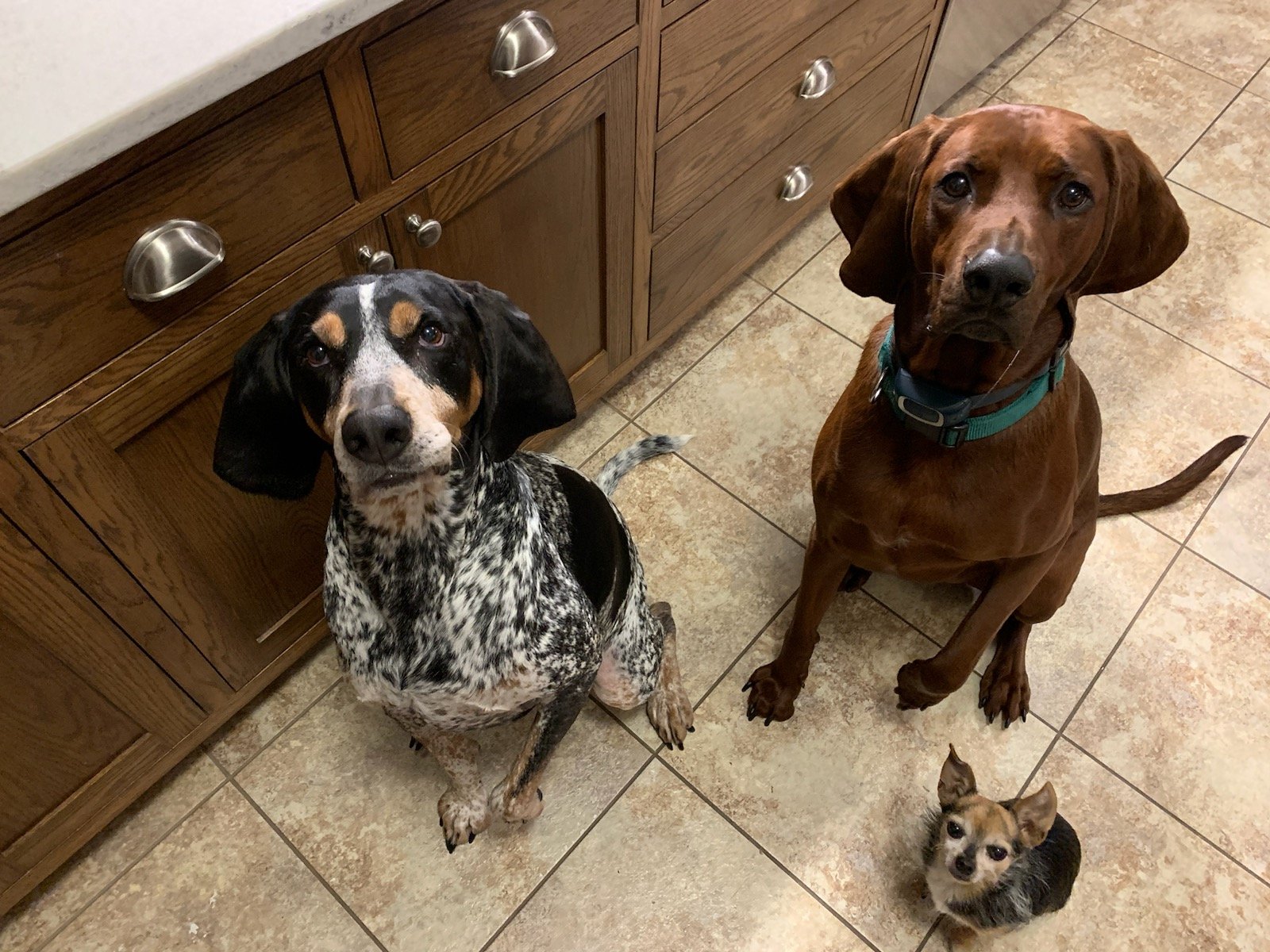
Pet Allergies (Part 3): When to Call the Vet
Prompt care not only helps your pet feel better faster—it can also reduce long-term costs and complications. If your furry friend is showing signs of allergies, let us help you get them back on track. Their comfort is worth it.

Celebrating World Veterinary Day: Honoring the Dedication to Animal Health
Every year, on the last Saturday of April, veterinary professionals around the world come together to celebrate World Veterinary Day. It's a time to recognize the vital role that veterinarians, veterinary technicians, and support staff play in protecting the health and well-being of animals—and, by extension, people and communities.

Pet Allergies (Part 2): Relief at Home
There are a few safe and effective things pet owners can try at home to ease allergy symptoms before (or alongside) veterinary care.

Pet Allergies: Scratching the Surface
What do allergies look like in pets? Most commonly, we see itchy skin, chronic ear infections, paw licking, and red, irritated eyes.