
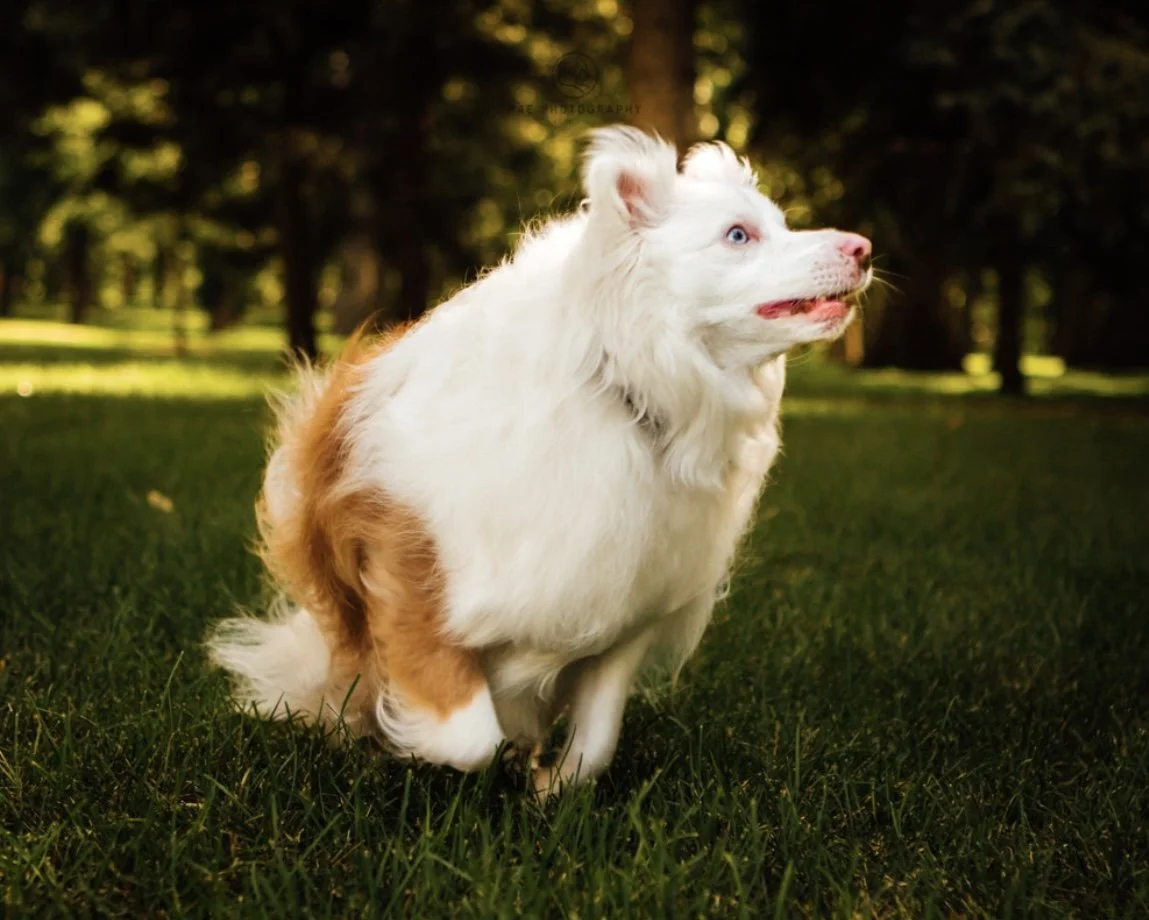
The 50/50 Odds—Protecting Your Dog’s Good Knee
If your dog has already suffered a Cranial Cruciate Ligament (CCL) tear in one leg, you’ve likely heard the sobering statistic: approximately 40–60% of dogs who tear one CCL will tear the second one within a year. At Two Rivers Veterinary Hospital, we call this the "Overcompensation Cycle."
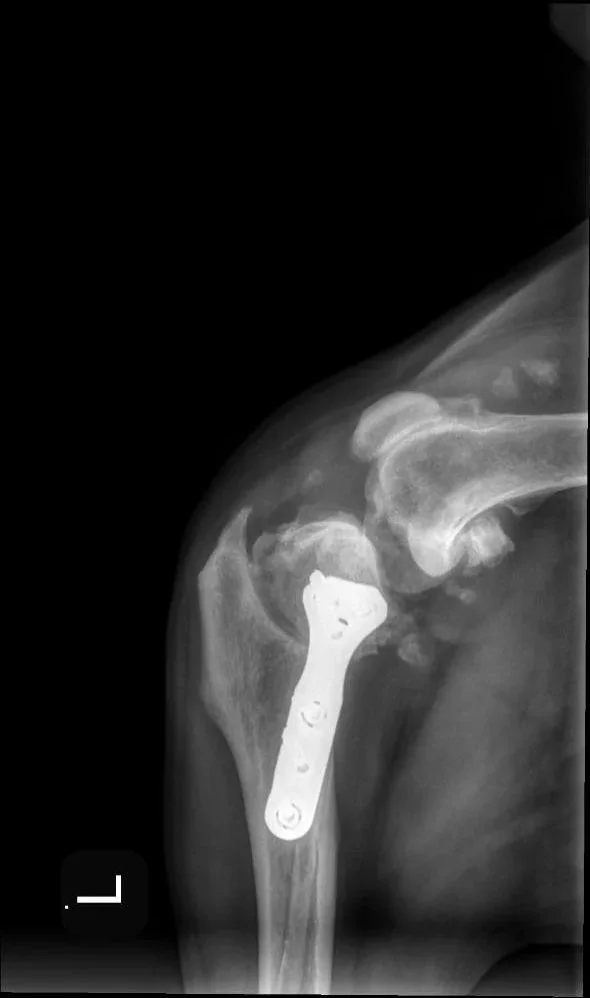
The Gold Standard—Navigating the TPLO Recovery Journey
At Two Rivers Veterinary Hospital, we understand that "bone surgery" sounds intimidating. However, since 2011, we’ve helped countless Fargo-area dogs move from a painful limp back to their favorite North Dakota trails. Here is what makes the TPLO unique and what you can expect from the recovery journey.
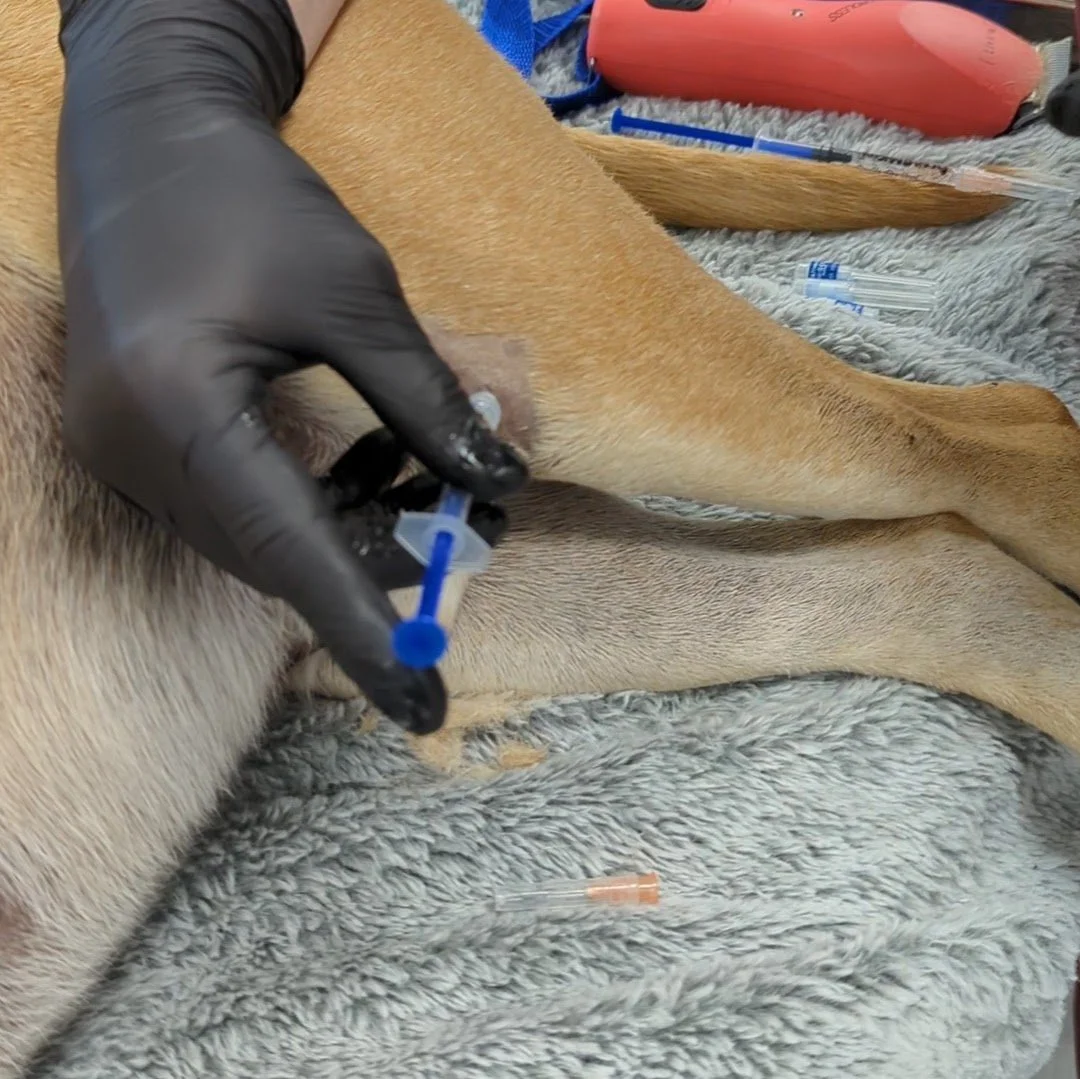
Is Surgery the Only Option? Treating Partial CCL Tears with Stem Cell Therapy
The problem with waiting is inflammation. When a ligament frays, the joint becomes a "hot zone" of inflammatory chemicals. These chemicals don't just hurt; they actually eat away at the healthy cartilage, leading to permanent arthritis. This is where stem cells change the game.
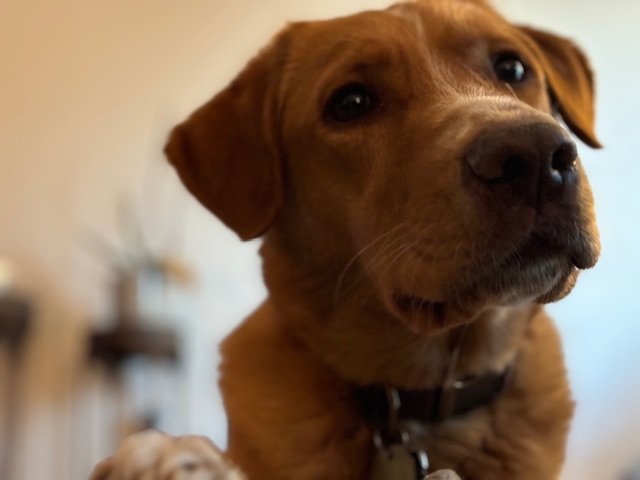
Helping Pets Move Better, Feel Better: Canine Rehab
At Two Rivers Vet Hospital, we see firsthand how rehabilitation can transform a pet’s life. Today, we sat down with Emily, whose 5-year-old Labrador Retriever, Moose, came to us for post-operative rehabilitation after undergoing TPLO surgery to repair a torn cranial cruciate ligament (CCL).

Understanding CCL Injuries in Dogs (Part 3): Which Treatment is Right for Your Dog?
When it comes to treating a torn cranial cruciate ligament (CCL), two options often rise to the top: stem cell therapy and TPLO surgery. Both have their place in veterinary medicine—but how do you know which one is right for your dog?

Understanding CCL Injuries in Dogs (Part 2): From Pain Relief to Surgery
Once a dog has injured or torn their cranial cruciate ligament (CCL), it's important to begin treatment right away to reduce pain, prevent further damage, and support healing. The best treatment plan will depend on your dog’s size, activity level, and the severity of the injury.

Understanding CCL Injuries in Dogs (Part 1): What They Are and What to Look For
Unfortunately, once a CCL is torn, it does not heal on its own. Without proper treatment, the instability in the joint leads to chronic pain, arthritis, and worsening lameness. Early diagnosis is essential for developing a treatment plan that supports both comfort and long-term mobility.