
The 50/50 Odds—Protecting Your Dog’s Good Knee
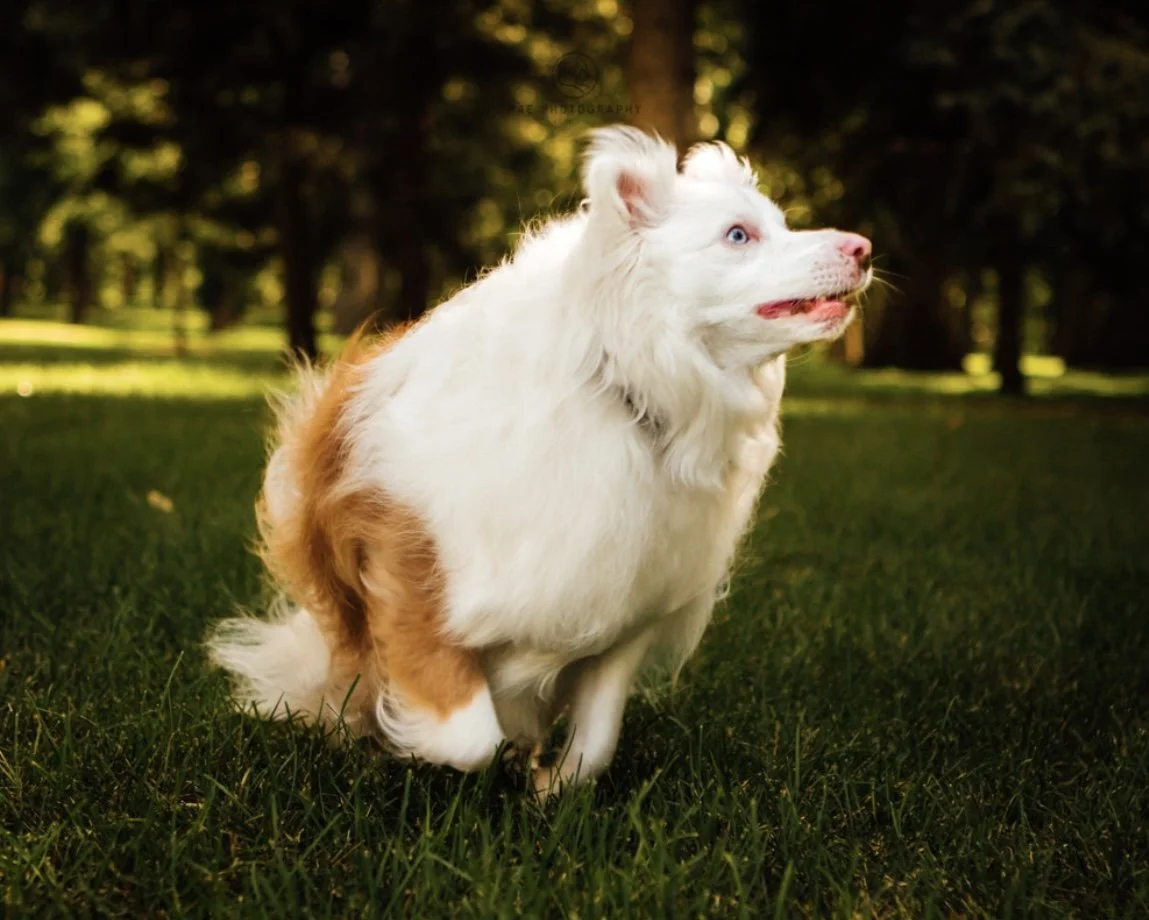
Protecting the good knee from injury after a CCL tear requires tackling multiple factors that put knees at risk.
If your dog has already suffered a Cranial Cruciate Ligament (CCL) tear in one leg, you’ve likely heard the sobering statistic: approximately 40–60% of dogs who tear one CCL will tear the second one within a year. At Two Rivers Veterinary Hospital, we call this the Overcompensation Cycle. When one knee is painful, a dog naturally shifts their weight to the opposite side. This places 30–40% more mechanical stress on the healthy ligament, often leading to a second rupture. While we can’t change your dog’s genetics, we can change their environment and their biology to help beat those 50/50 odds.
Here is our expert guide to protecting your dog’s good knee and maintaining their Golden Years mobility in West Fargo.
1. The Power of Lean and Mean
Weight management is the single most effective way to protect a canine ligament. Even being five pounds overweight can significantly increase the shearing force on the knee joint every time your dog pivots or jumps. If your dog is recovering from surgery, their activity is restricted, making it even easier for the pounds to creep on. We recommend a calorie-controlled diet to ensure they stay at an ideal weight. If you can’t easily feel each rib as you pet your dog, decreased its caloric intake.
2. Consistent, Year-Round Exercise
In North Dakota, we are prone to being seasonal athletes. We hunker down in the winter and go full-speed in the spring. This Weekend Warrior lifestyle is a recipe for ligament failure. To protect the healthy knee, focus on consistent, low-impact exercise year-round.
Pro Tip: In the winter months, look for indoor nose work games or slow leash walks on cleared paths to keep the supporting muscles engaged without the risk of slipping on ice. We also offer sessions in our underwater treadmill for those super cold snaps!
3. Strategic Joint Support (Adequan®)
We believe in being proactive rather than reactive. This is why we recommend consistent use of Adequan® Canine injections. Unlike oral supplements that must survive the digestive tract, Adequan is an FDA-approved injectable that goes directly to the joint to help manufacture healthy synovial fluid and inhibit the enzymes that break down cartilage. It’s like liquid armor for your dog’s healthy knee.
4. Strengthening through Rehabilitation
The stronger the muscles surrounding the knee (the quadriceps and hamstrings), the less work the ligament has to do. Our professional Canine Rehabprograms aren't just for post-op recovery; they are a preventative powerhouse. Through targeted exercises and balance work, we can build biological stability that takes the pressure off the CCL.
5. The Biological Shield (Stem Cell Banking)
This is where our partnership with Ardent Animal Health becomes a life-changer. If we treated your first knee injury with Stem Cell Therapy, we likely have extra cells stored. Having these cells ready to go means that at the first sign of a stiff day or mild limp in the other leg, we can perform a preventative injection. This stops the inflammatory cycle before it can weaken the ligament fibers, often preventing a tear from ever happening.
Your Partner in Prevention
As a locally and women-owned clinic since 2011, we’ve seen the heartbreak of a second tear many times. Our goal at Two Rivers Veterinary Hospital is to break that cycle. By combining weight management, proactive injections, and regenerative medicine, we give your pet the best possible chance to stay on all four paws for years to come.
