

How to Perform an At-Home Blood Glucose Curve
Monitoring your pet’s blood sugar levels at home is one of the most helpful tools in managing diabetes. It allows your veterinary team to adjust insulin doses safely and effectively based on real-time trends in your pet’s glucose levels. A blood glucose curve helps us see how well your pet’s insulin is working throughout the day.

Treating Feline Diabetes
A diabetes diagnosis in your cat can feel overwhelming at first, but with the right care plan and support, it becomes a manageable part of daily life. In fact, many cats go on to live full, healthy lives—and some even achieve remission. Here's what to expect when it comes to treating feline diabetes.

Understanding Feline Diabetes
Diabetes mellitus is a common condition in cats, particularly those who are middle-aged to older, overweight, or inactive. Though a diagnosis can feel overwhelming at first, many cats with diabetes go on to live comfortable, happy lives—especially when it's caught early and managed well.

Understanding Canine Diabetes Mellitus
Diabetes mellitus is a condition we commonly see in older dogs, and though it sounds daunting, it’s a manageable disease when caught early and treated consistently.
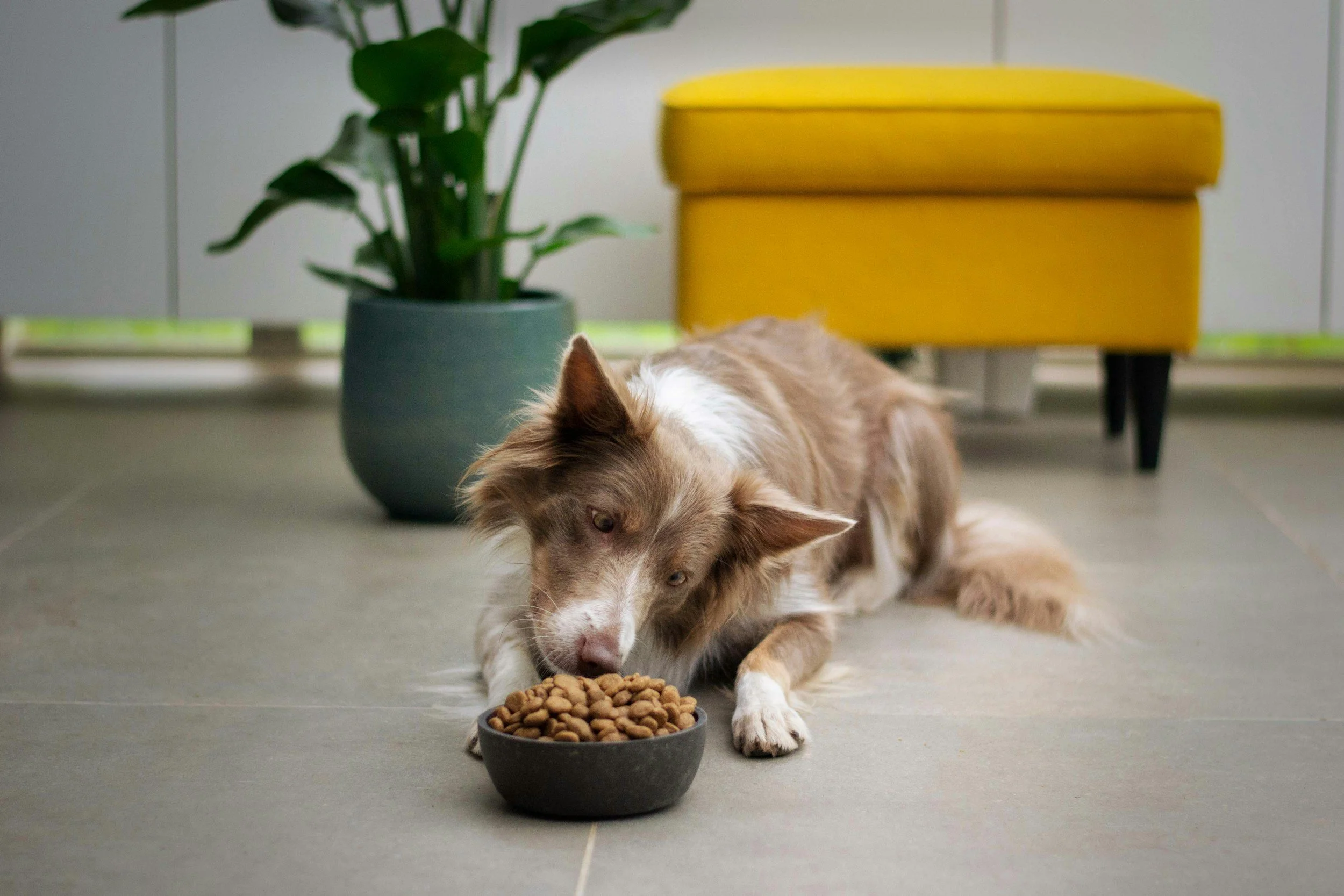
Why We Don’t Recommend Raw Diets for Dogs and Cats
One trend that continues to gain popularity is raw feeding, often with the belief that it's more “natural” or closer to what wild animals eat. But the truth is, raw diets—whether fresh, frozen, or freeze-dried—carry risks that can impact both your pet’s health and your family’s safety.

What’s the Latest on Librela?
At Two Rivers Veterinary Hospital, we want to address this concern head-on with a clear, science-based perspective.

Easing Vet Visit Stress: How Pre-Visit Medications Can Help Your Pet
We often recommend pre-visit pharmaceuticals—safe, short-acting medications designed to reduce anxiety and help your pet feel calmer during their visit. These medications aren’t about “knocking your pet out.” They’re about setting the stage for a more peaceful, positive experience.

"Why I Bring My Cat to TRVH": A Chat with a Devoted Cat Parent
We recently sat down with Emily, a long-time client of Two Rivers Veterinary Hospital, to talk about her cat, Mochi—and why she chooses TRVH for her care. Mochi is a 7-year-old cat with a big personality and a serious dislike of car rides. Like many cat parents, Emily used to worry that bringing Mochi to the vet would be too stressful for both of them. But Dr. Abby and TRVH changed her mind.

Why Do Pets Need Vaccine Boosters?
If you’ve ever wondered why your veterinarian recommends a series of vaccines for your new puppy or kitten—or why your adult pet needs periodic booster shots—you’re not alone! Many pet owners ask this question, and it’s a great one. The answer lies in how the immune system works, especially in growing animals.

Tick Prevention: Why It Matters Year-Round in Fargo
In our region, Lyme disease and anaplasmosis are among the most common threats, but ticks can also carry other harmful bacteria and parasites. Some of these diseases don’t show symptoms right away, which is why routine testing and prevention are so important.

Support When They Need It Most: Why We Recommend the Help ‘Em Up® Harness
Whether your dog is recovering from a TPLO surgery, dealing with intervertebral disc disease (IVDD), or simply feeling the effects of age, the Help ‘Em Up® Harness is built to offer the right kind of assistance. Here’s why we love it.

Why Does My Dog Have Diarrhea? Common Causes and What You Can Do
At Two Rivers Veterinary Hospital, we see dogs with diarrhea nearly every day—and while it’s rarely fun, it can be manageable. Let’s take a look at the most common causes and what you can do to help your dog at home.

Cushing’s Disease in Dogs, Part 3: Treatment and Long-Term Management
Most dogs with Cushing’s are treated with a daily oral medication that suppresses the overproduction of cortisol. The most commonly prescribed medication is Trilostane (brand name: Vetoryl®). It works by inhibiting the enzymes that produce cortisol in the adrenal glands.

Cushing’s Disease in Dogs, Part 2: How We Diagnose It
It’s important to note that no single test is perfect. Your veterinarian may recommend multiple tests or repeated monitoring, especially if your dog has other medical conditions that could affect the results.

Cushing’s Disease in Dogs, Part 1: What It Is and What to Watch For
One of the first—and most telling—symptoms pet owners often notice is increased thirst and urination. A dog with Cushing’s may begin emptying the water bowl faster than usual and needing to go outside much more frequently, even having accidents in the house. This change is often what prompts owners to schedule a veterinary exam.

Heart Murmurs in Cats: What You Should Know About Hypertrophic Cardiomyopathy (HCM)
In hypertrophic cardiomyopathy, the muscular walls of the left ventricle (the main pumping chamber of the heart) become abnormally thick. This reduces the heart’s ability to fill with blood and, over time, can lead to heart failure or dangerous blood clots. HCM is the most common form of heart disease in cats, particularly in breeds like Maine Coons, Ragdolls, and American Shorthairs, but it can affect any cat—purebred or mixed.

Understanding Myxomatous Mitral Valve Disease in Dogs
If your dog has been diagnosed with a heart murmur, there’s a good chance it’s due to myxomatous mitral valve disease (MMVD)—the most common type of acquired heart disease in adult dogs. This condition is especially prevalent in small-breed dogs like Cavalier King Charles Spaniels, Dachshunds, Chihuahuas, and Toy Poodles.

Understanding Heart Murmurs in Dogs and Cats
Hearing that your dog or cat has a heart murmur can be unsettling—but it doesn’t always mean something serious is going on. A heart murmur is an abnormal sound heard during a physical exam with a stethoscope. Instead of the usual “lub-dub” of a healthy heartbeat, a murmur may sound like a whooshing or swishing noise. This happens when there’s turbulent blood flow within the heart.

Introducing Specialized Ultrasound Appointments for Pets Who Need a Little Extra Care
At Two Rivers Vet Hospital, we understand that sometimes pets need a closer look—especially when something just isn’t adding up. That’s why we’re proud to offer abdominal ultrasound appointments, designed specifically for patients who need a little extra diagnostic attention.
Unlike radiographs (X-rays), which provide an excellent overview of the size and shape of organs, ultrasound allows us to see inside the tissue of those organs. This detailed, real-time imaging helps us evaluate subtle changes that may not be visible with other forms of imaging. It’s an invaluable tool for diagnosing conditions affecting the liver, kidneys, intestines, bladder, spleen, and more.

Why Is My Cat Throwing Up?
At Two Rivers Veterinary Hospital, one of the most common questions we hear from cat owners is, “Why is my cat throwing up?” While an occasional hairball might not be cause for concern, frequent vomiting is a sign that something deeper could be going on—and it’s worth investigating.